Explore The Documentary:
India Bhimraya →
Explore The Documentary
The 6 Pillars →
Caste
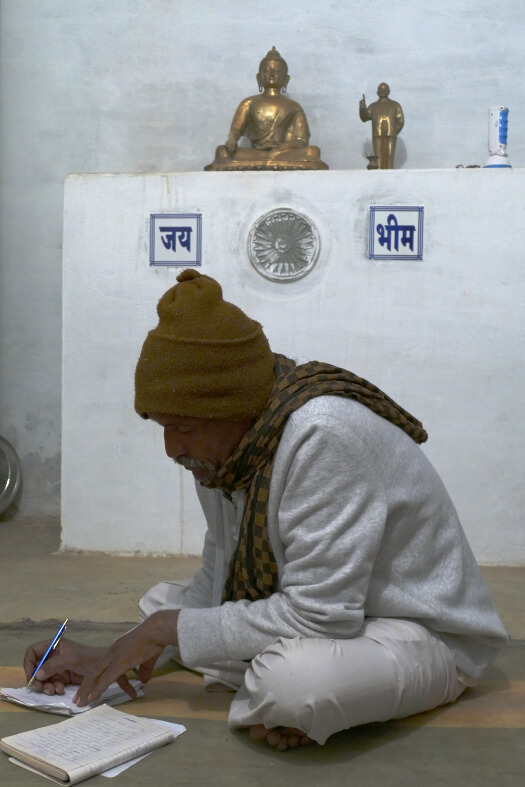
The series begins with caste because everything begins there. CASTE opens at Dikshabhumi in Nagpur, where Ambedkar’s mass conversion still returns every year as unfinished history: not simply an act of devotion, but a collective refusal of a social order built on graded inequality.
Displacement
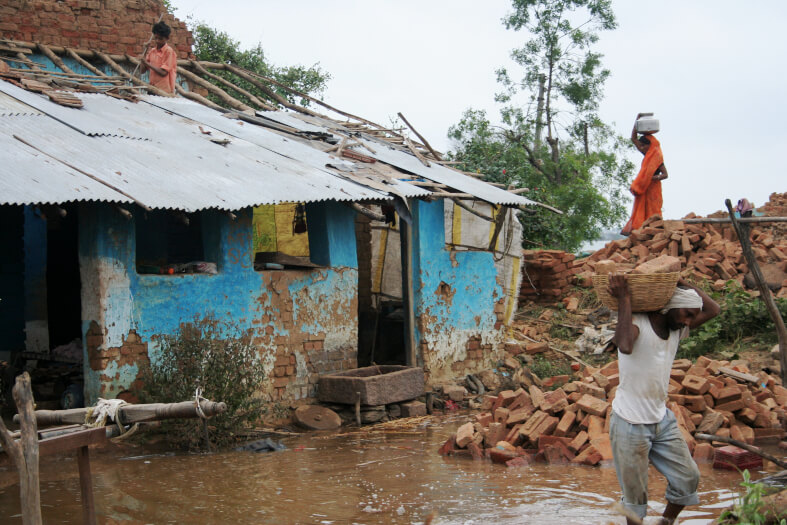
From that foundation, the series moves into dispossession. DISPLACEMENT begins at the waterline, where villages are already inside submergence and where the language of administration—boundary, wasteland, encroachment, compensation—collides with hunger, salvage, and fear.
Movement
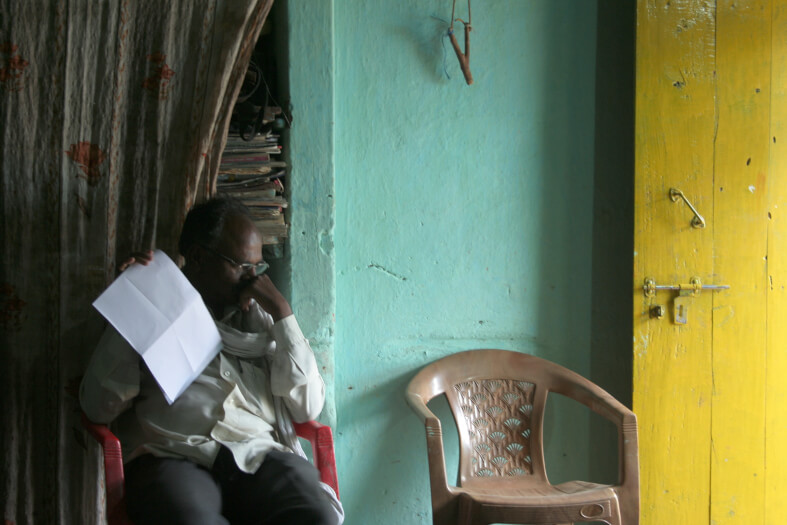
Yet India Bhimraya is not a series about suffering alone. Its third film, MOVEMENT, asks how people turn injury into collective force. It follows the long aftermath of dispossession as villagers, singers, organisers, women activists, and public intellectuals gradually transform grievance into discipline, protest into movement, and local struggle into a larger political language.
Dam
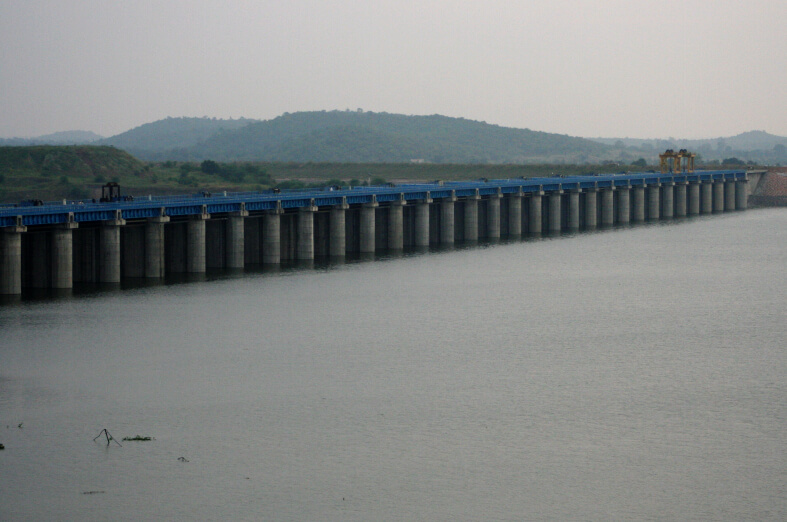
If the first three episodes move from caste to displacement to movement, the fourth, DAM, rises into the vast hydraulic imagination of the Indian state. It asks what happens when emancipatory hopes are poured into concrete, canals, tunnels, reservoirs, and files. Rather than taking the easy path of a simple anti-dam argument, the film stages a more difficult confrontation.
Farmer Labourer
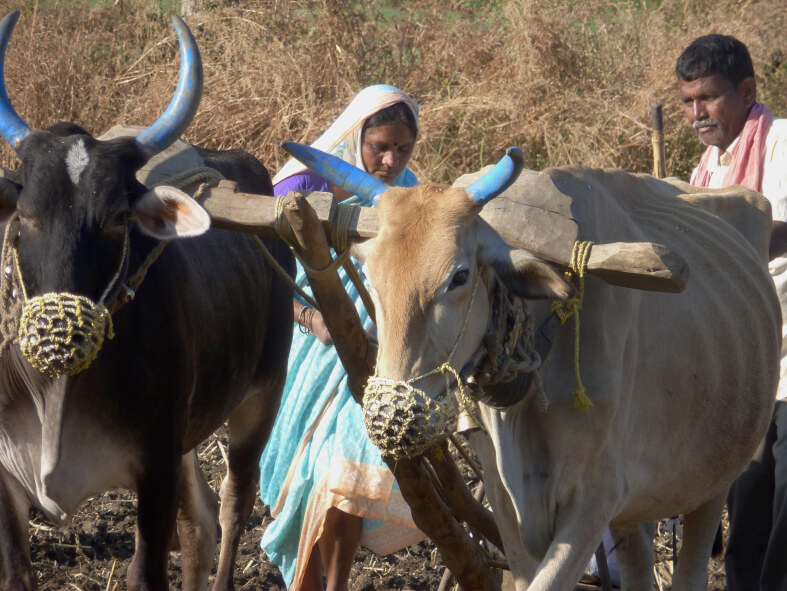
From there the series returns to the ground—fields, bodies, crops, labour—in FARMER/LABOURER. Here the agricultural world appears first as beauty: furrows, green plots, cotton, bullocks, grain carried home. But the film immediately unsettles this beauty.
Forest Frontier
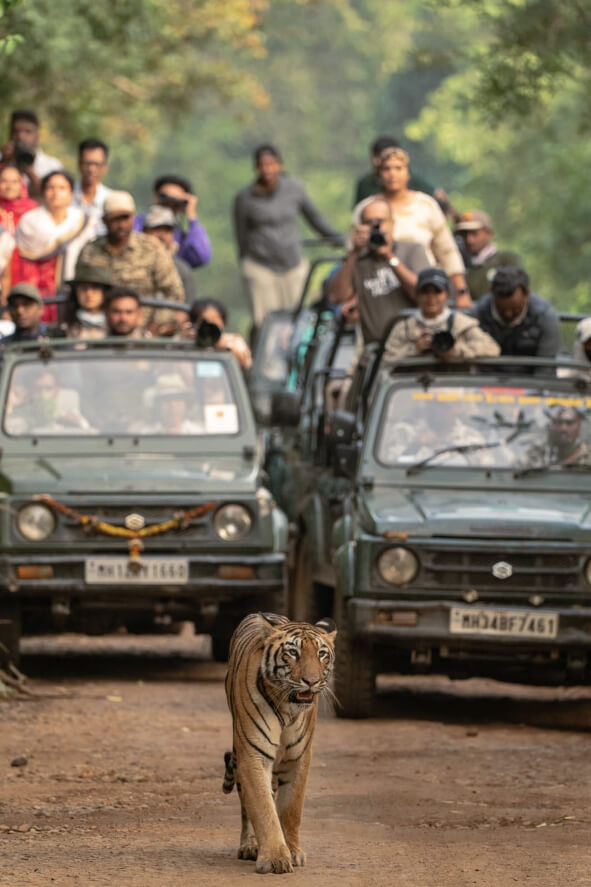
The final episode, THE FOREST FRONTIER, carries the series to its outer edge. It follows the village not away from itself, but toward forests, rivers, mountains, buffer zones, wildlife corridors, and those unstable frontiers where human life is made thinner, less secure, and less fully recognized.